Creativity, Community and Health: Reflecting on The Creative Health Exchange
How can storytelling, music, performance and art help us address health inequities?
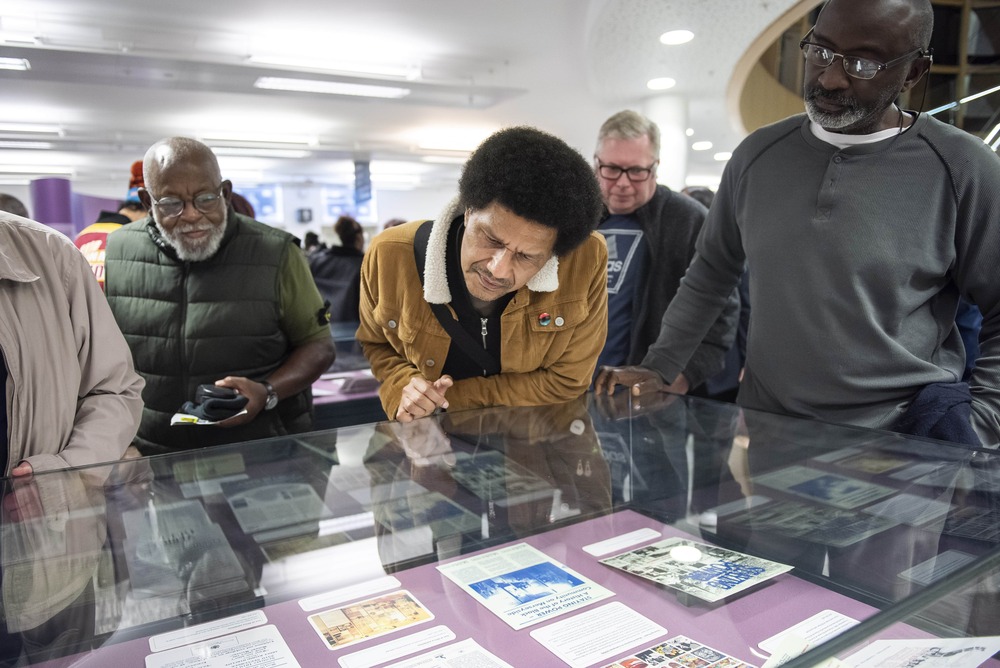
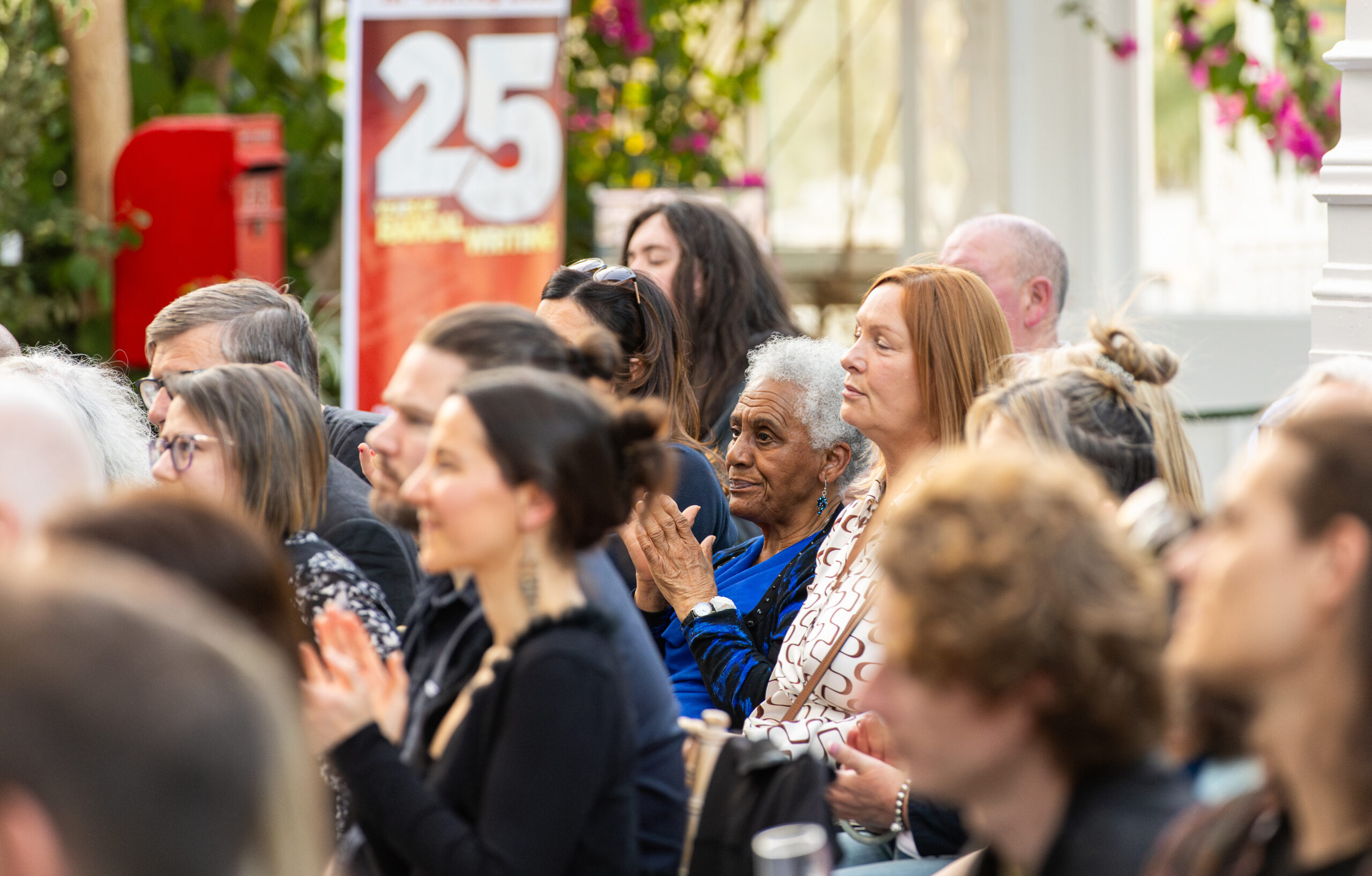
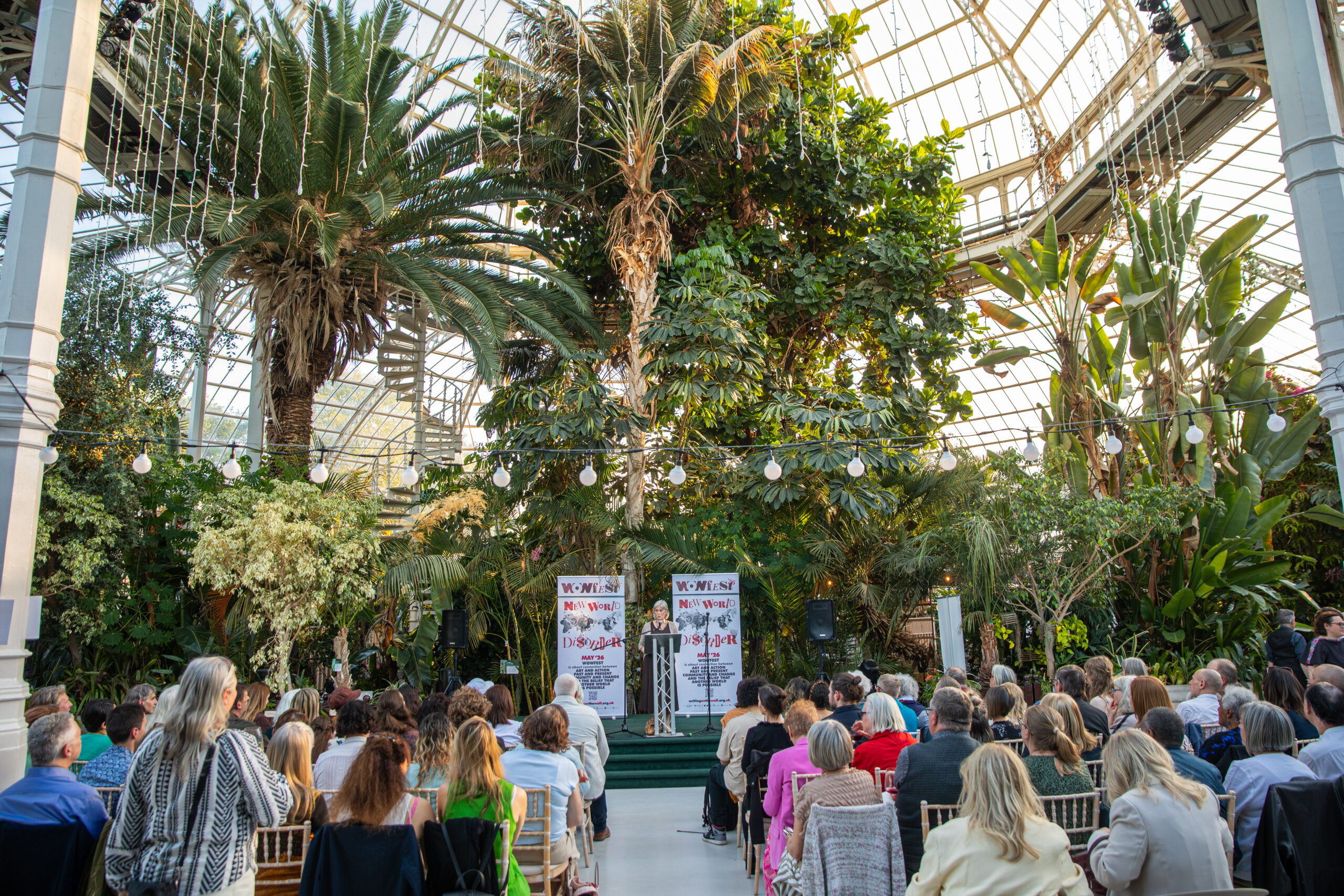
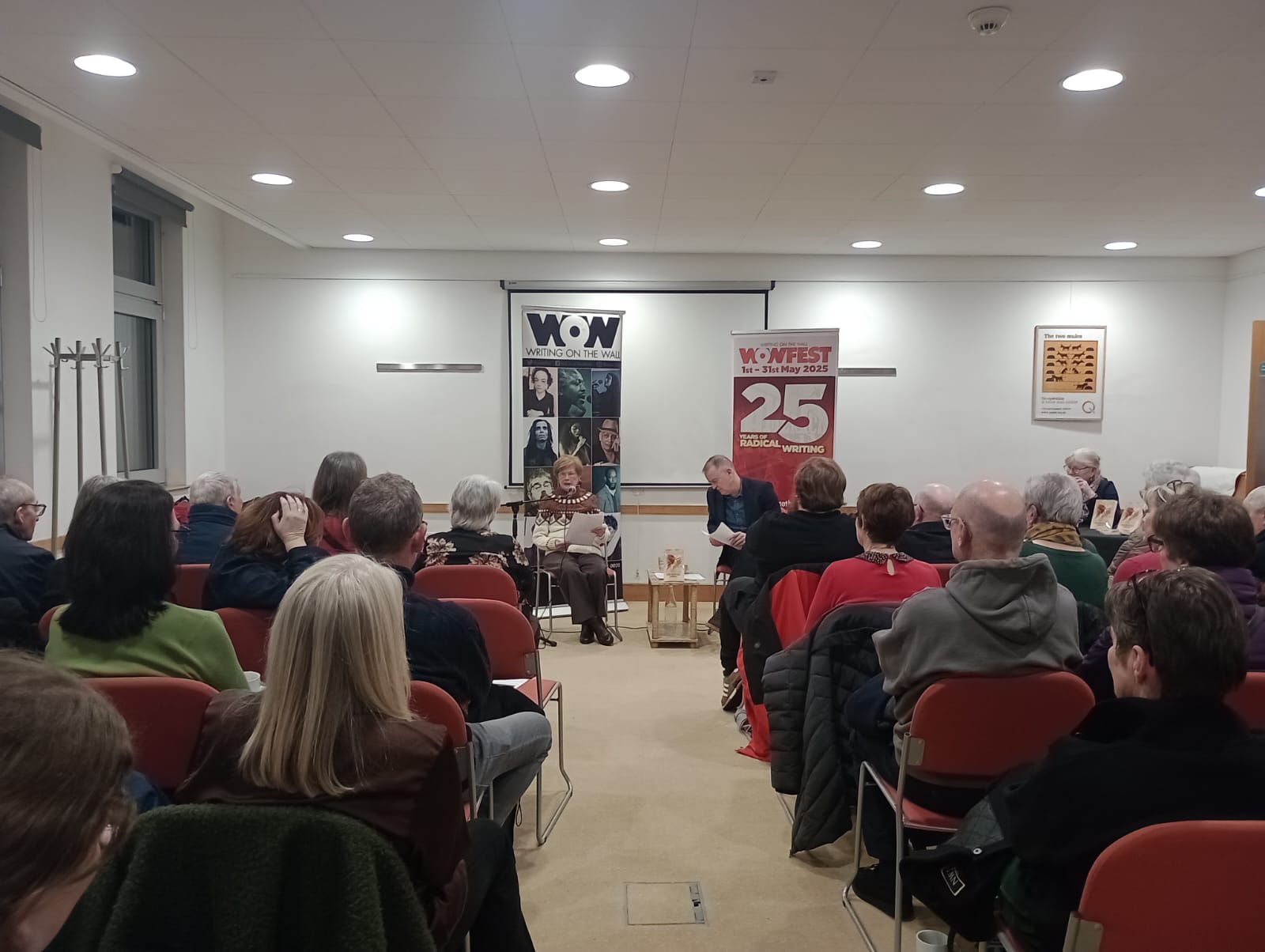
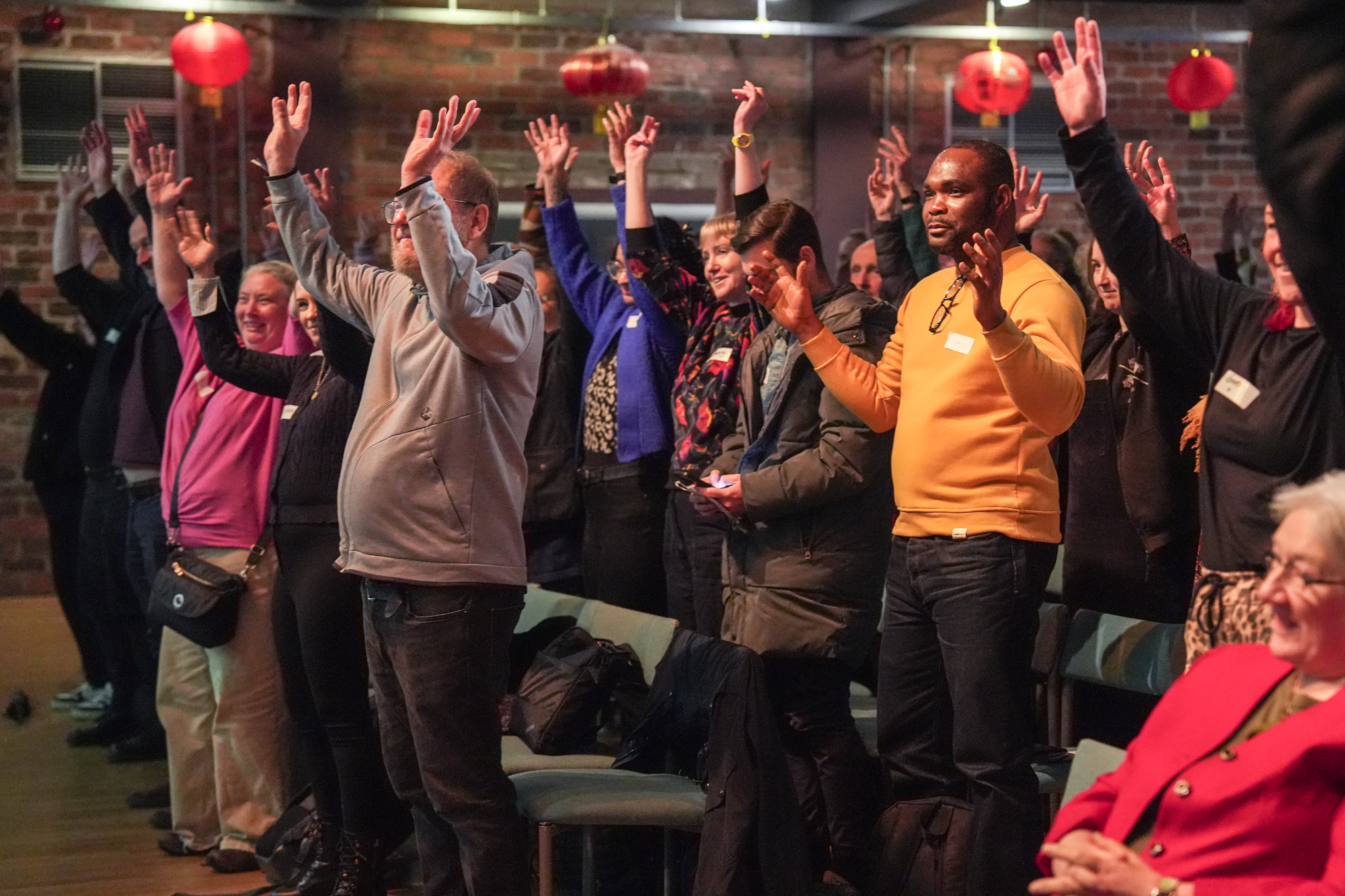
On Thursday 22 October, ReCITE brought together people working across the arts, public health, research and community sectors for the Creative Health Exchange at Liverpool’s Black-E. The event explored the role of creativity in supporting health and wellbeing, with community experiences at its heart.
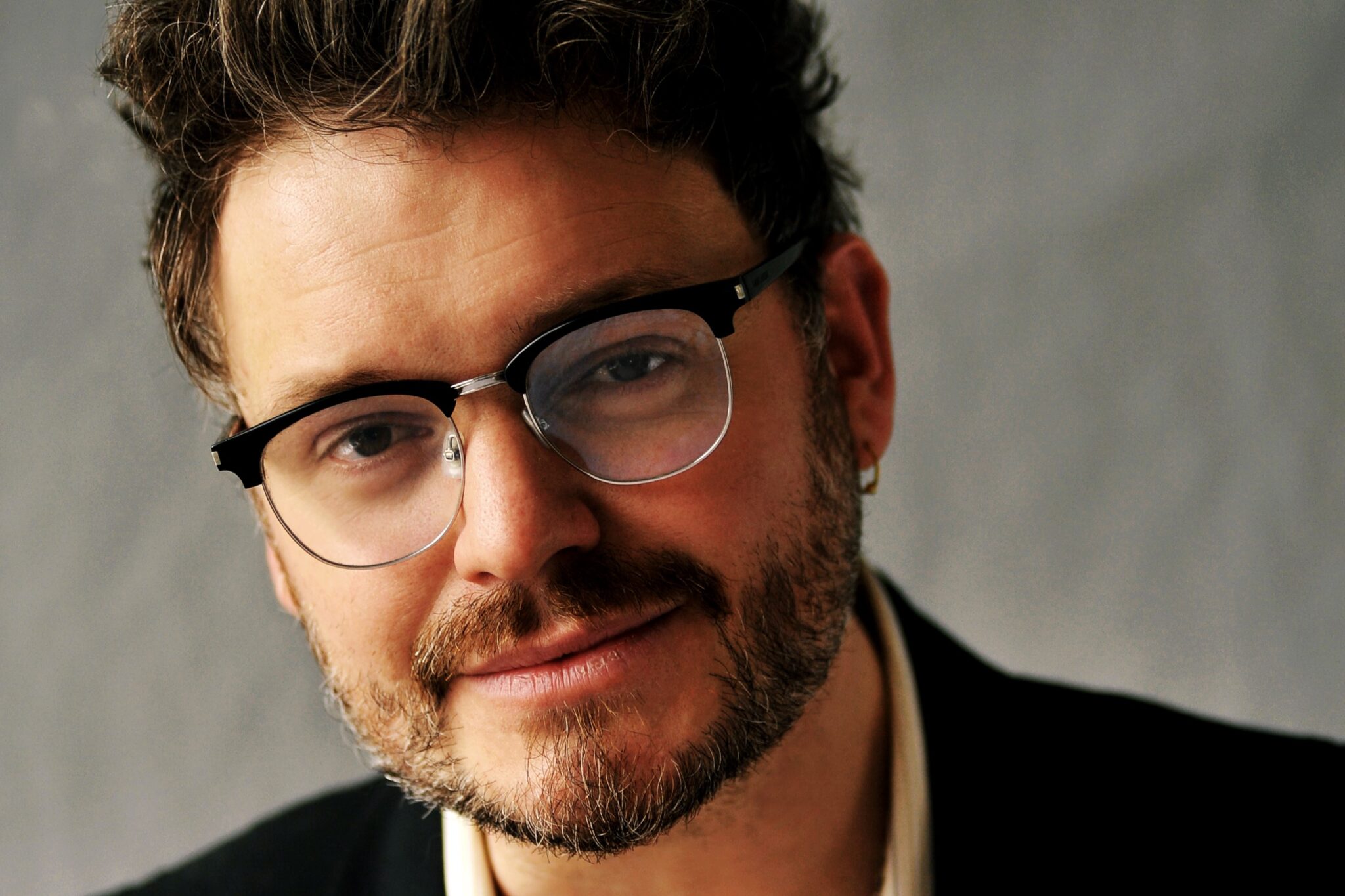
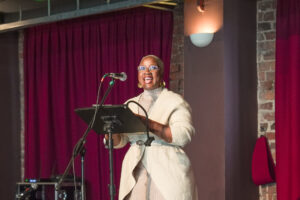
Hosted by BBC presenter and CEO of iwomanacademy Ngunan Adamu, the programme brought together conversations, performances, films and participatory workshops. It offered space to share work taking place across the Liverpool City Region, learn from creative health programmes elsewhere and connect with new people and perspectives.
Community Storytelling for Health Equity
A central focus of the day was the work of ReCITE’s Community Innovation Teams, whose projects use creative approaches to explore health inequities and problems affecting their communities.
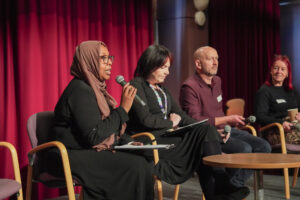
The first panel, hosted by Amina Ismail (Senior Community Mobiliser from The Liverpool School of Tropical Medicine), brought together Emma Anker (L30’s Million Community Builder), David Longford (GP/ Artist, General Design Practice) and Jayne Cook (Advanced Public Health Practitioner in the LCC Public Health Team and Lead for Mental Health and Suicide Prevention). Their conversation explored the use of creative health to address inequity, drawing on perspectives from community development, the arts, primary care and public health.
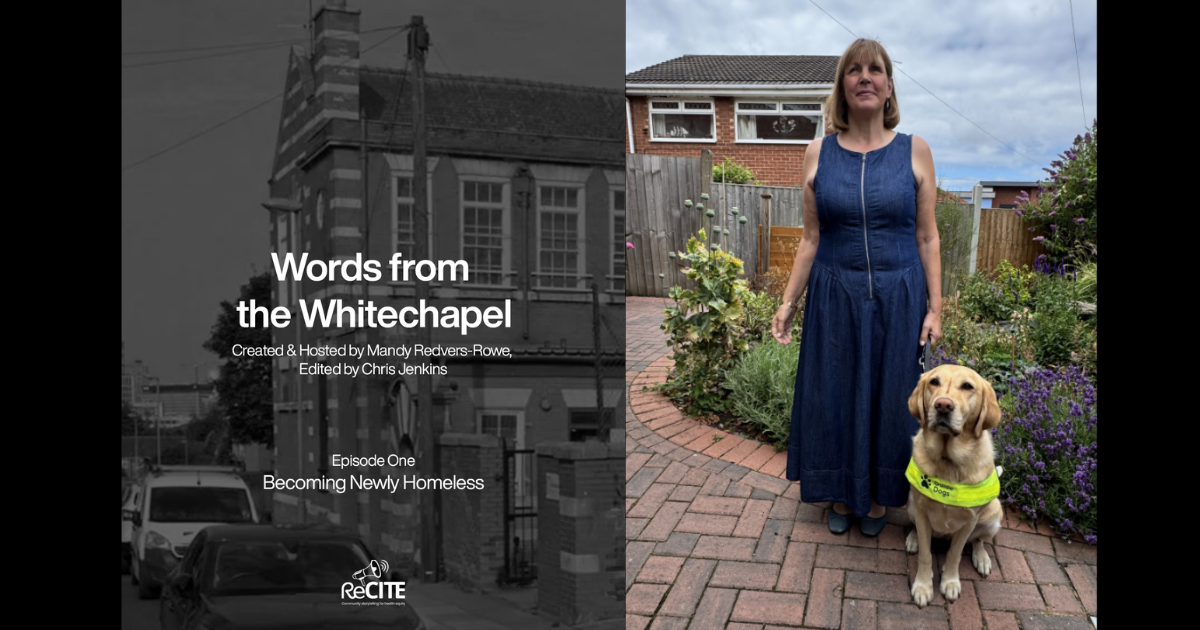
The programme also featured community films and monologues exploring whooping cough, antibiotic use and type 2 diabetes, breast screening, and dementia.
Together, these contributions placed storytelling at the centre of conversations about health: making space for people to communicate experiences, share knowledge and engage with issues that matter to them.
Experiencing Creative Health
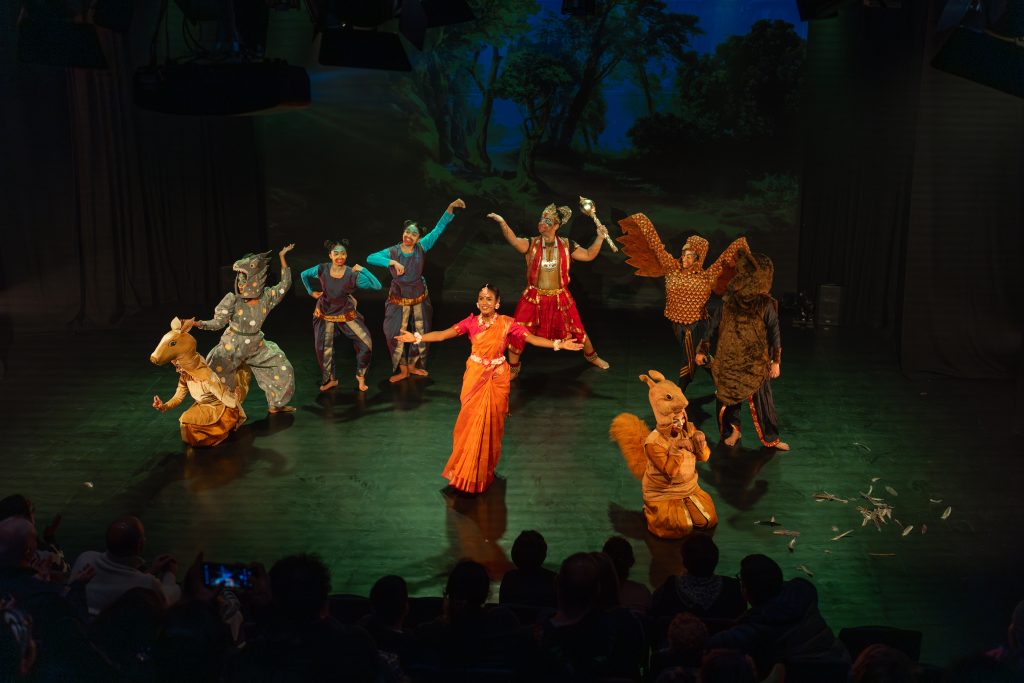
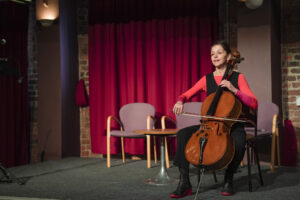
Creativity ran throughout the programme. Cellist Georgina Aasgaard opened the day with music, while contributions from Ali Kahn, Helen Jeffery and Eli Yim brought comedy, theatre and song into the exchange. Dawn Carroll also introduced the work of House of Memories at National Museums Liverpool.
Workshops gave attendees opportunities to take part themselves. These included exploring grief and connection through song with At the Library: Holding Space to Sing, and joining Georgina for a participatory session drawing on Liverpool Philharmonic’s Music and Health programme.
Amie Boylan’s I, You, We Belong to Each Other invited participants to explore identity, confidence and belonging through a playful inflatable installation. In the Social Pharmacy workshop, facilitated by Emmer Winder of NumberSix, participants used printmaking and shared words of wisdom to create messages of connection and reassurance.
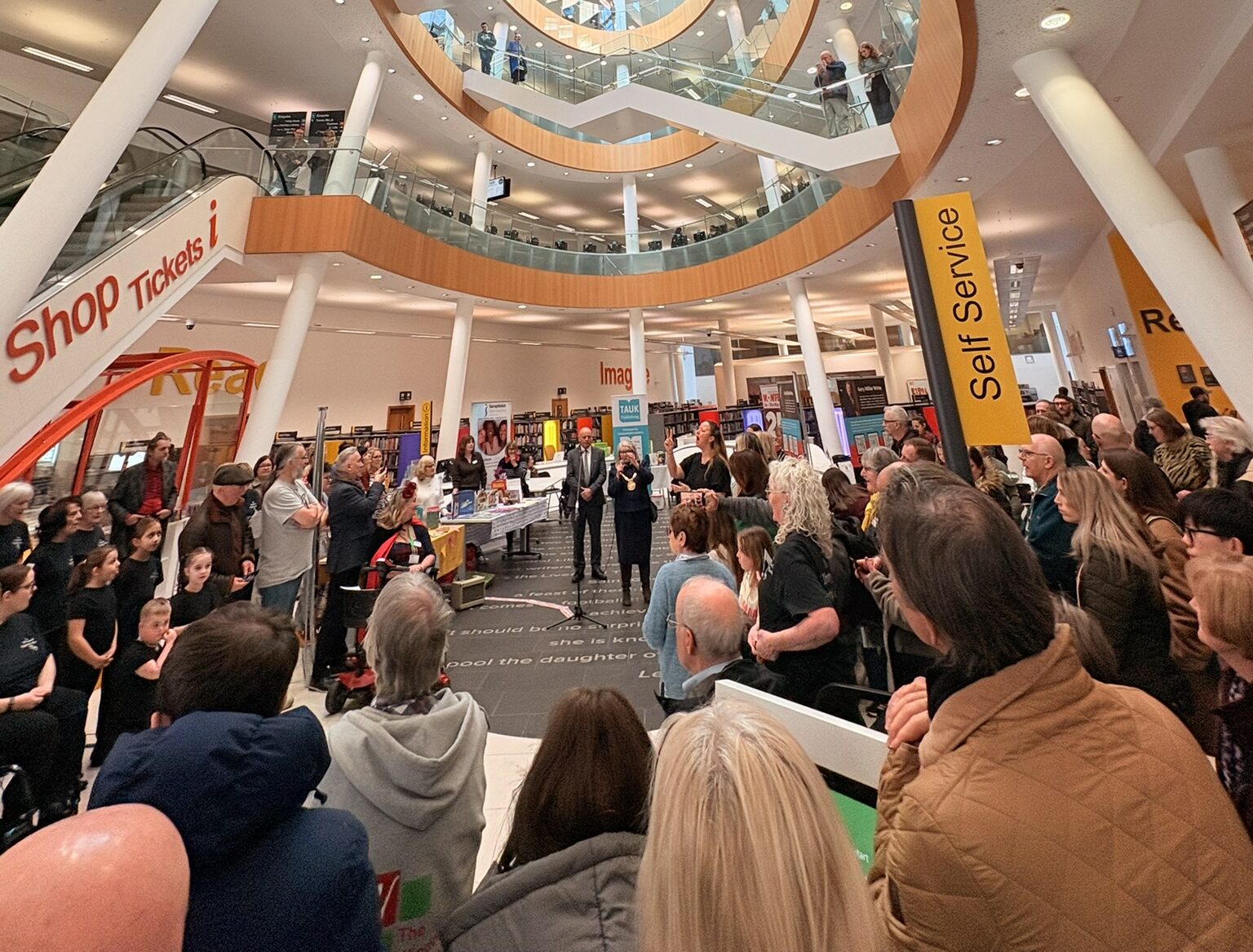
The marketplace provided further opportunities to discover local projects, exchange ideas and meet people working across the city region.
Connecting Local Work with Wider Practice
The afternoon panel looked beyond Liverpool City Region, with Sarah Lovell (Lead Officer Culture, LCR) hosting a conversation featuring Julie McCarthy (Strategic Lead for Creative Health NHS Greater Manchester/GMCA), David McQuillam (Creativity & Health Programme Manager Southwest Yorkshire Partnership NHS Foundation Trust), Angela Samata (Psychotherapist, Arts and Mental Health Consultant) and Flora Faith Kelly (Creative Health Lead for South East London Integrated Care Board). Their contributions brought perspectives from creative health programmes across Greater Manchester, Yorkshire and South East London, alongside arts and mental health practice.
With closing reflections from Professor Miriam Taegtmeyer (Liverpool School of Tropical Medicine), the day brought its focus back to the relationship between creativity, community and health equity.
Thank you to everyone who contributed to the Creative Health Exchange: our speakers, artists, workshop facilitators, Community Innovation Teams, marketplace stallholders and attendees, and to the Black-E for hosting us. Your work, ideas and willingness to share made the exchange possible.
ReCITE is funded by the Arts and Humanities Research Council (AHRC), part of UK Research and Innovation.