Events


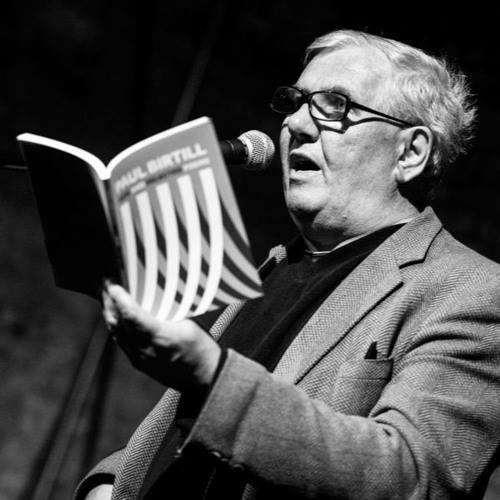
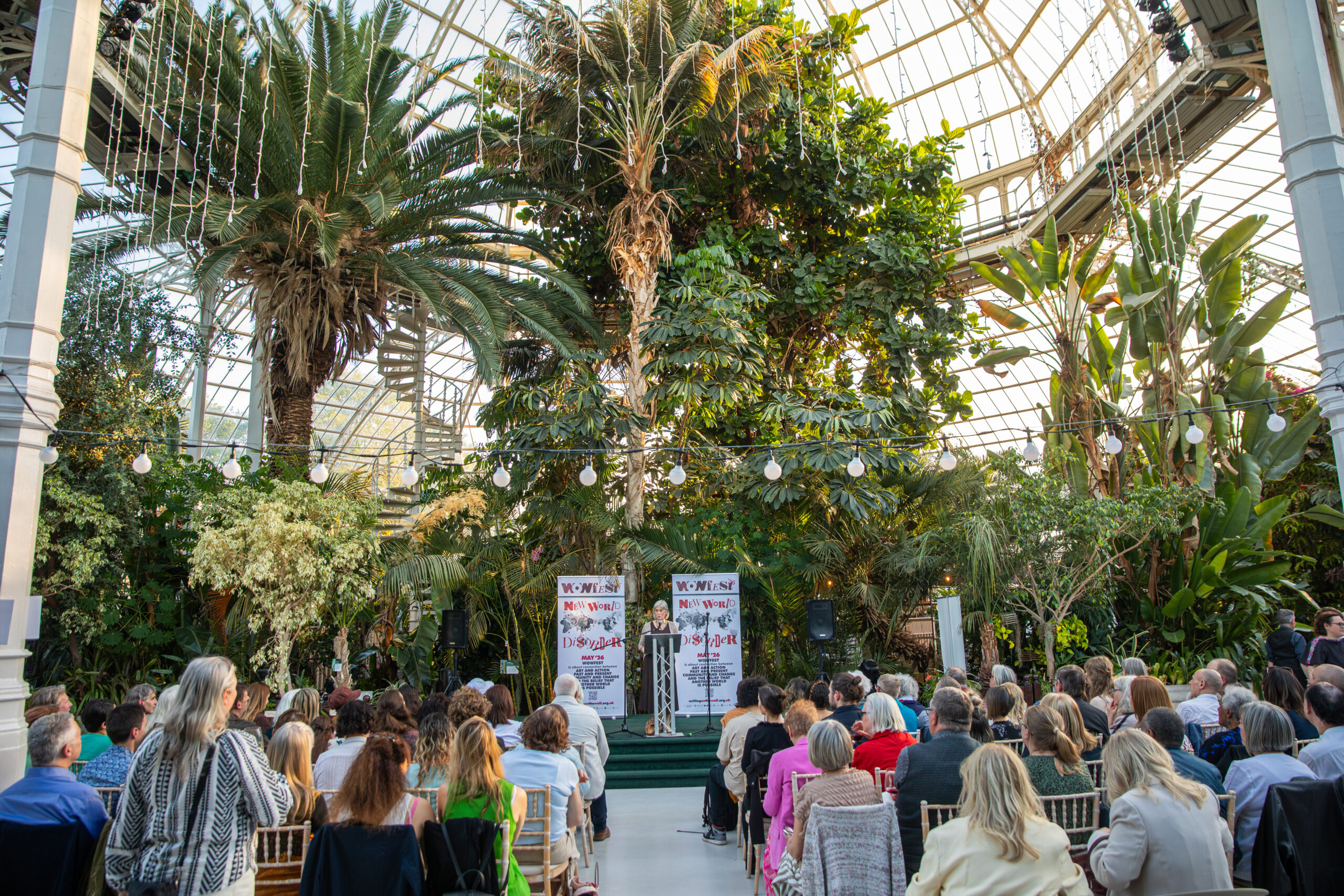
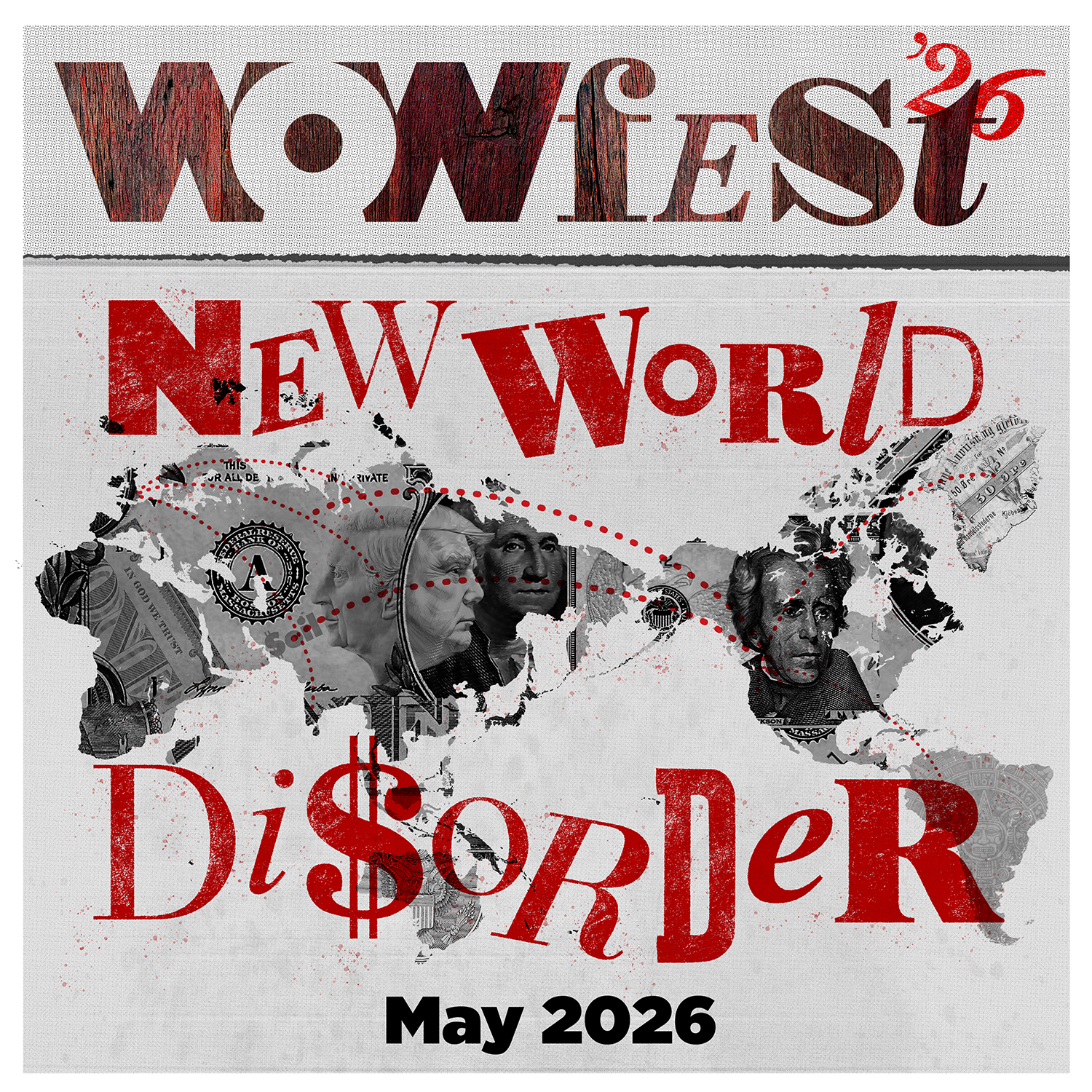
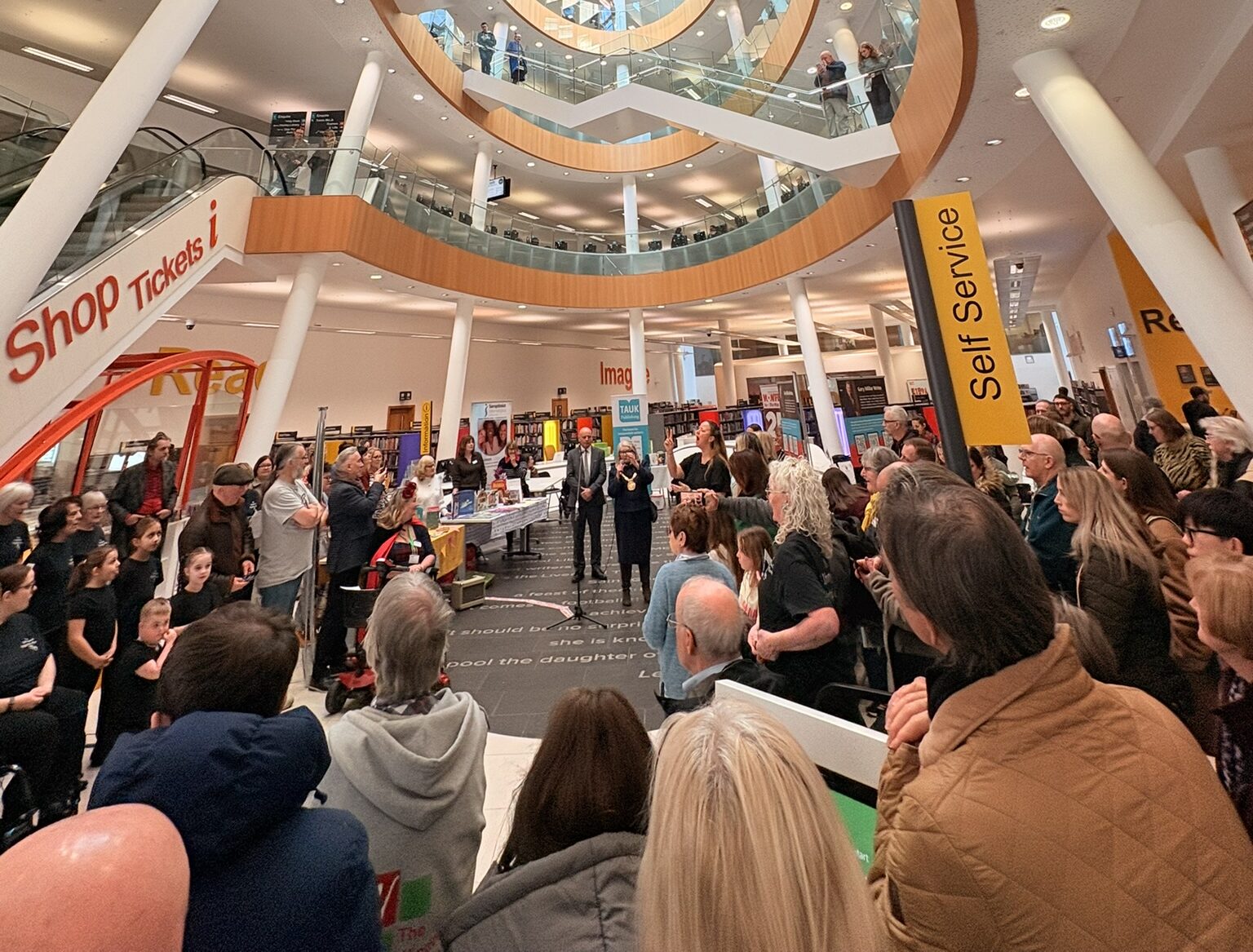
As WoWFEST26: New World Disorder unfolded across Liverpool and online, one of the festival’s strongest threads was the celebration of new writing in print – from poetry, playtexts and literary fiction to political essays, Liverpool social history and the next generation of emerging novelists.
Across the programme, Writing on the Wall championed books that spoke directly to the festival’s wider concerns: resistance, memory, class, identity, survival, cultural history and the power of storytelling to reshape the world. These were publications rooted in lived experience, political urgency and creative risk – books that asked audiences not only to read, but to remember, question, challenge and imagine differently
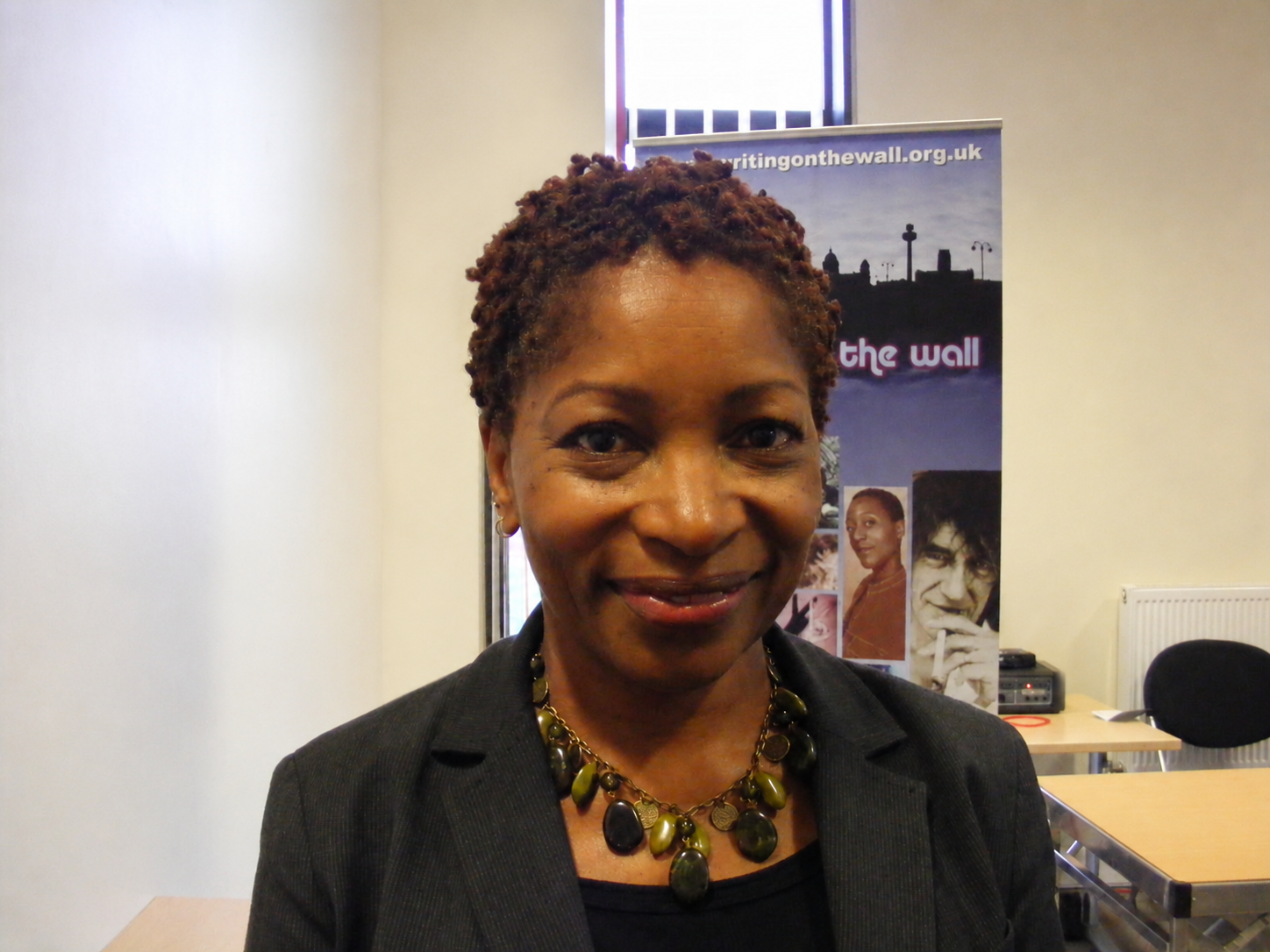
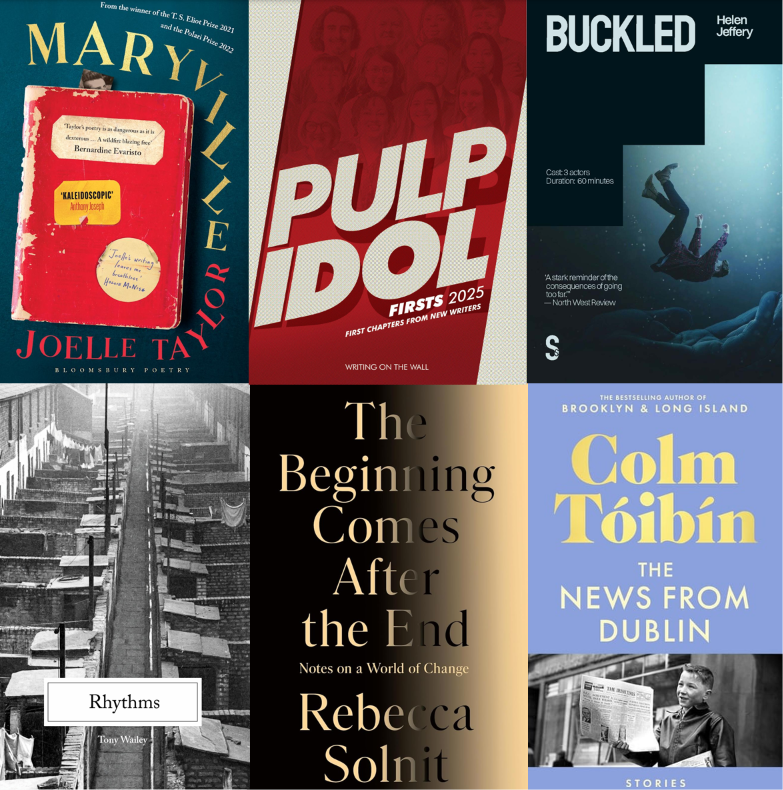
Among this year’s standout publications was Joelle Taylor’s Maryville, a searing new poetry collection excavating fifty years of lesbian counterculture. Through the lives of four butch lesbians, Maryville traces underground queer histories of friendship, desire, survival and defiance – bringing lives too often pushed to the margins into sharp, unforgettable focus.
The festival also featured Rebecca Solnit’s The Beginning Comes After the End: Notes on a World of Change, a timely and searching collection exploring hope, backlash, crisis and the long work of transformation. In a world shaped by climate emergency, authoritarian politics and deepening inequality, Solnit’s writing refuses despair and asks what becomes possible when we understand change not as a single moment, but as something collective, unfinished and already underway.
WoWFEST26 marked the launch of Helen Jeffery’s Buckled playtext at The Black-E, published by Salamander Street Press. Originally commissioned by Unity Theatre and toured across the North West, Buckled is a darkly funny and deeply humane exploration of alcohol dependency, sobriety, family, friendship and the quiet pressures of a culture shaped by drink. Through readings and conversation, the event opened up a thoughtful space for honesty, vulnerability and care.
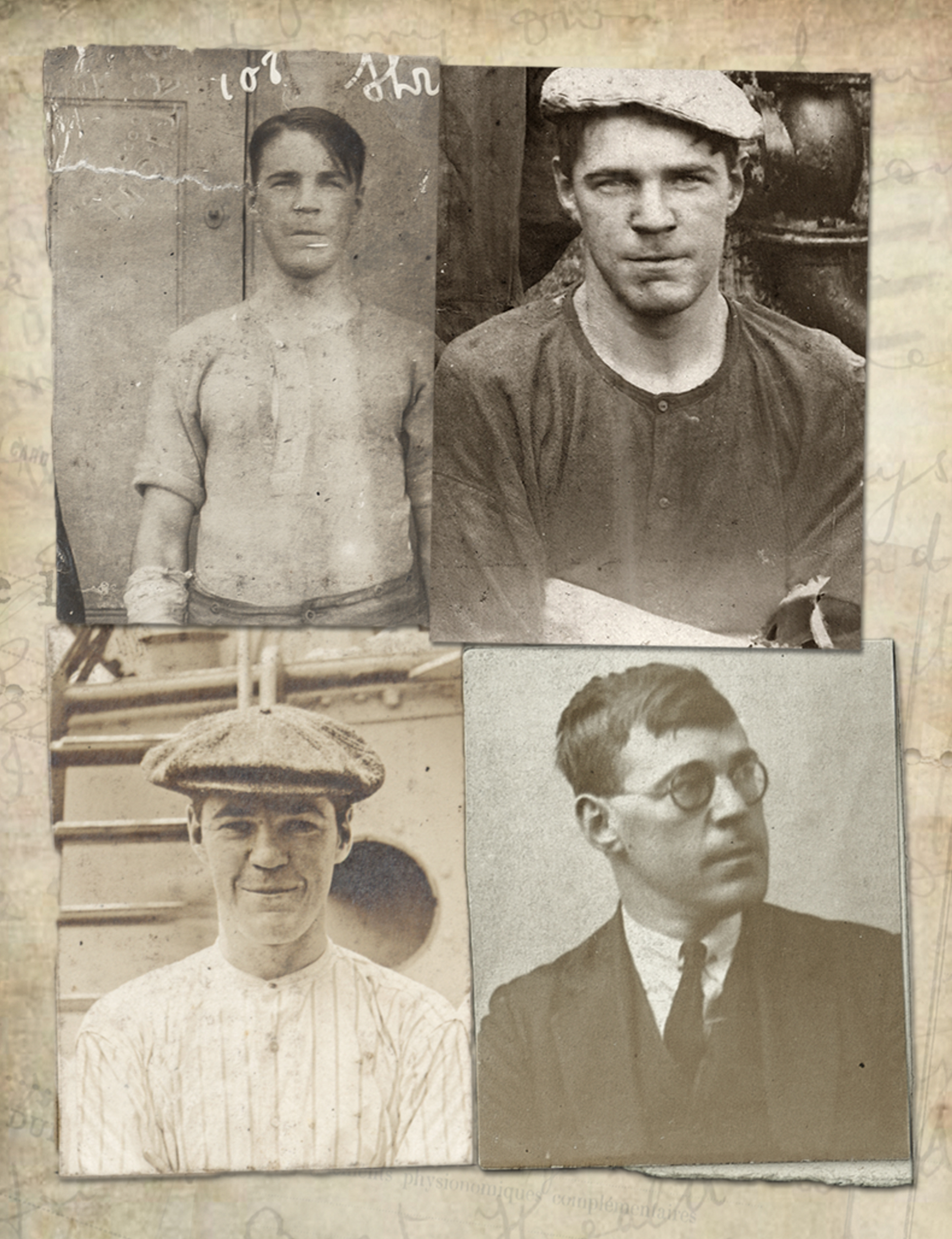
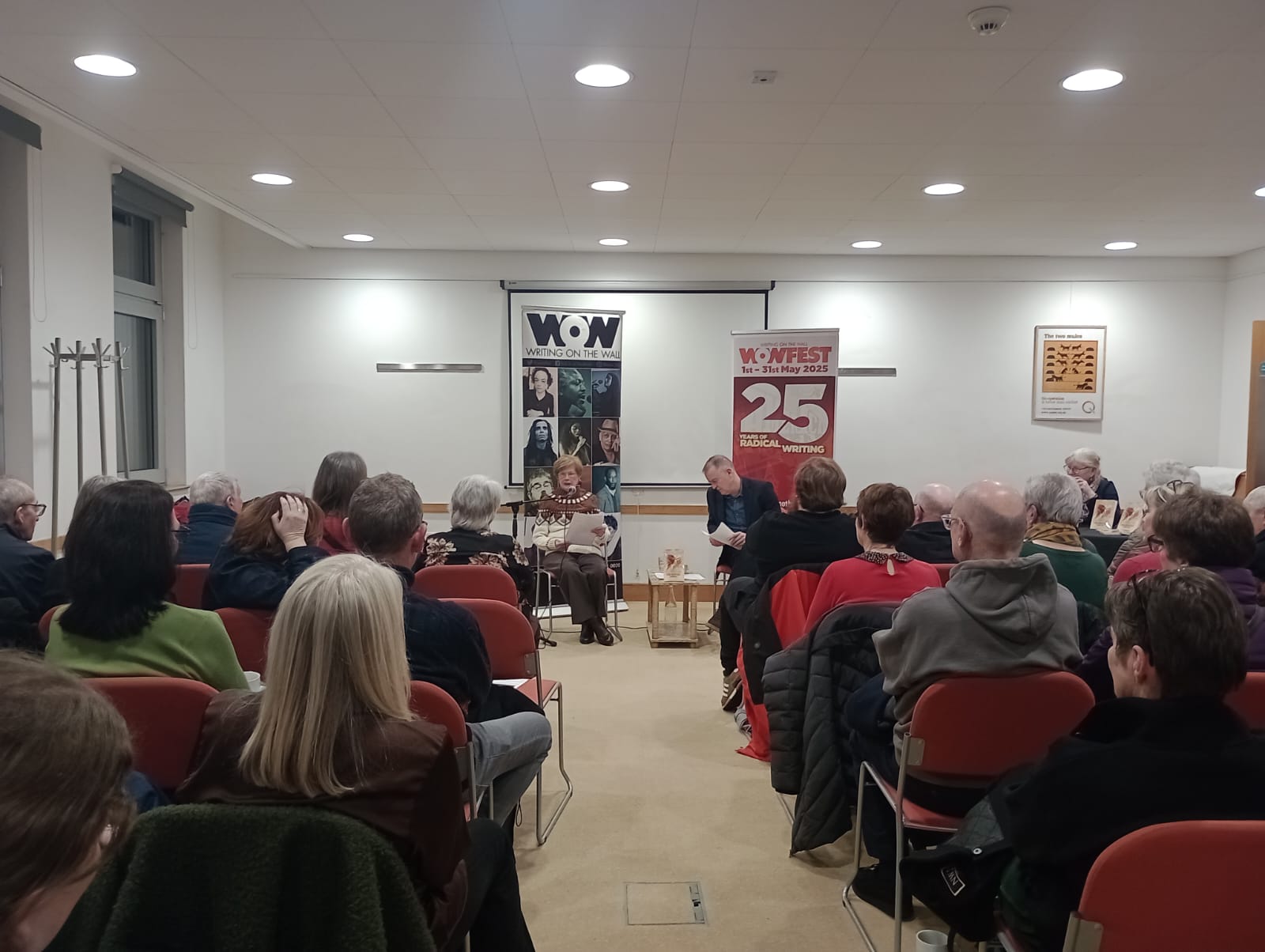
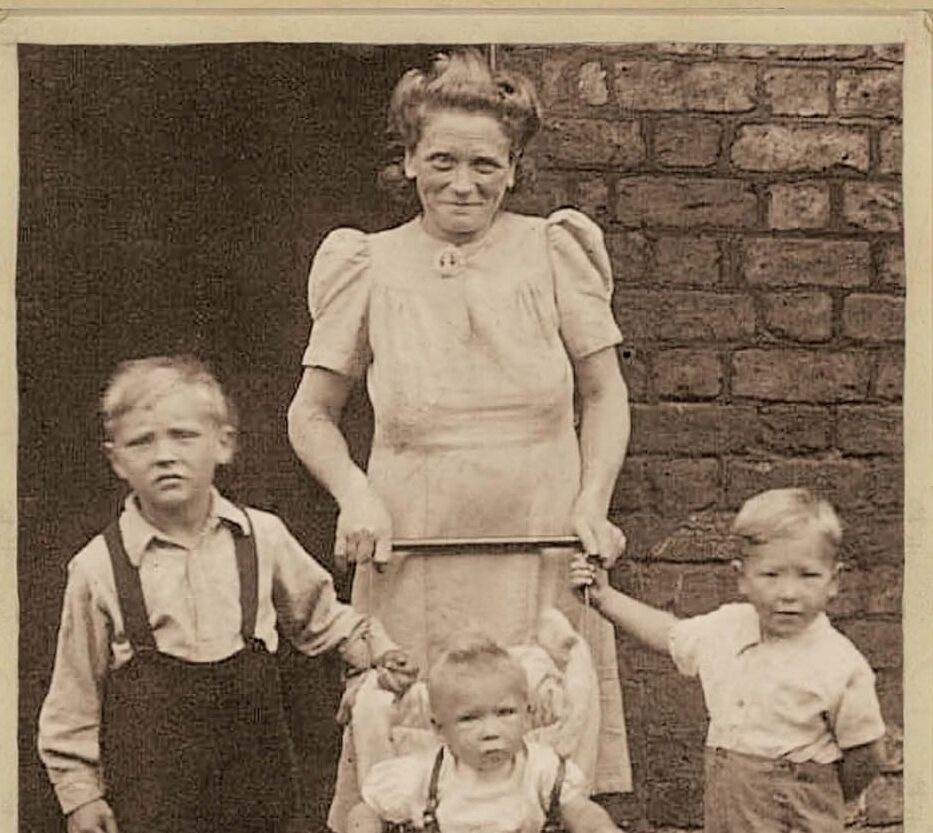
Liverpool’s own histories were brought vividly to life through Tony Wailey’s Rhythms: Volume Three of the Diary of the Smyth Wailey’s, launched at the Quaker Meeting House. Blending family narrative with the city’s social and maritime history – from the 1911 Transport Strike onwards — Rhythms follows generations shaped by the waterfront, migration, labour struggles, longing, loss and resilience.
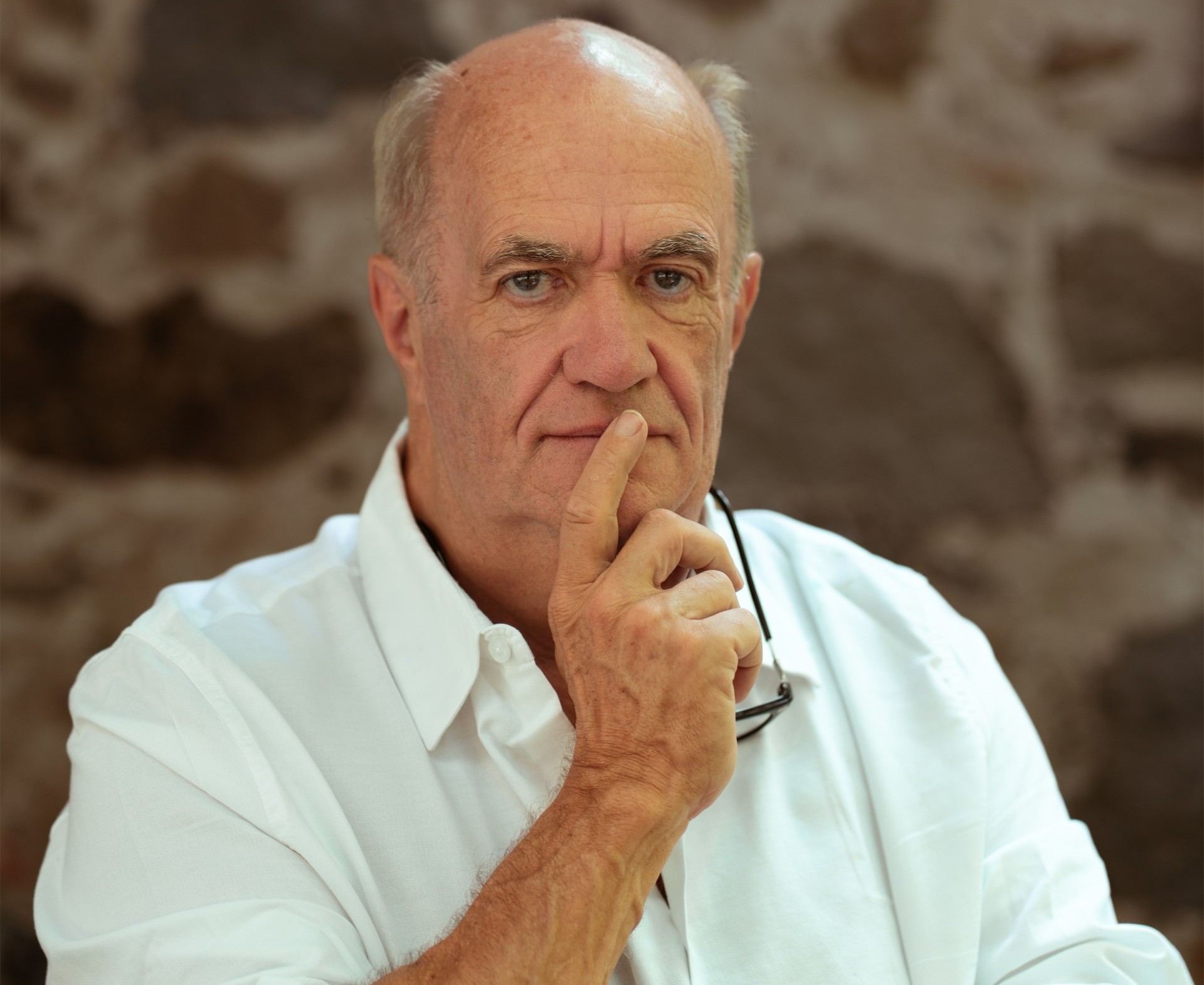
WoWFEST26 also welcomed Colm Tóibín in conversation with Professor Frank Shovlin to discuss The News from Dublin, a new collection that brings together Tóibín’s journalism, criticism and reflections on literature, politics and public life. The event offered audiences a chance to hear one of Ireland’s most celebrated writers reflect on the forces that shape writing, memory and cultural identity.
Alongside these major literary voices, the festival celebrated the publication of the Pulp Idol 2025 anthology, continuing Writing on the Wall’s long-running commitment to championing bold new writing from working-class and underrepresented voices across the Liverpool City Region. Featuring winner Amber-Page Moss, runners-up Sue Hooton and Sarah Hinks, and finalists Evita Akomode, Oliver Back, Julia Clayton, Eleanor Hall, Dan Melling, Stephanie Power, Dawn Reeves, Karen Sephton and Angela Zhu, the anthology offers a glimpse into the future of regional writing.
Together, these publications reflect the breadth and ambition of WoWFEST26: New World Disorder. Each book speaks to a different aspect of the festival’s wider conversations. What connects them is a shared belief in the power of words to challenge silence. These books do not sit apart from the world. They are shaped by it – by its injustices, contradictions, histories and possibilities – and they invite readers to think more deeply about how we live, remember and resist.
At Writing on the Wall, we are proud to celebrate writers whose work challenges, moves and transforms us, and to champion the stories that help us make sense of the disorder, while imagining what might come next.